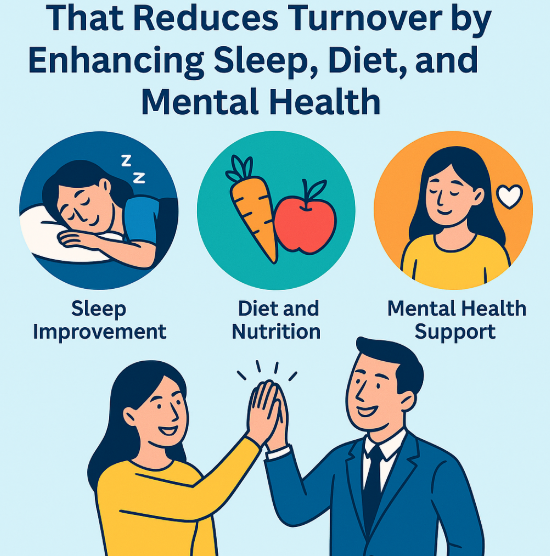
The primary focus of workplace wellness is the implementation of a wellness toolkit that mainly deals with the areas of sleep improvement, mental health, and diet and nutrition. Therefore, a full-fledged wellness toolkit is a powerful tool that not only helps to decrease turnover by sleep, nutritional, and mental health improvements but also can promote general health. It is worth noting that companies like Leadgamp are adopting well-being toolkits that are designed to combat nutrition problems, support mindfulness, and provide education on sleep as tools to improve well-being of the employees. Through this article, we will discuss how a strategically planned wellness toolkit can yield tangible results and decrease turnover by improving sleep, diet, and mental health of your employees.
Realization of Need for Holistic Wellness
Workplace wellness programs are more like necessities than options. Stress management, mindfulness, and healthy lifestyle initiatives are among those wellness research results that have a significant positive impact on staff retention, productivity, and overall worker wellbeing. Notable amongst the results is the near 4:1 return of investment on mental health support as indicated by better productivity, attendance, and engagement on the parts of the employees.
A complete toolkit with sleep, diet, and mental health elements targets several self-care components suggested by the health authorities: restful sleep, eating a healthy diet, regular physical activity, and stress management. With the introduction of such a workplace system and these tools given, employee well-being have chances to excel and quitting less because of it.
Key Elements in a Beneficial Wellness Toolkit
Sleep Improvement Education & Tools
Chronic sleep deprivation can be a risk factor for many chronic illnesses such as immune dysfunction, cognitive failure, and psychological illness. Hence, there should be sleep tools included in a wellness toolkit such as:
- Sleep hygiene guidelines (bedtime regularity, screen curfews, environment tips)
- Access to wearable or app-based trackers
- Incentives or sleep habit cash bonuses
The employees at Leadgamp, for instance, receive the sleep tracker and the recommendation of good habits like regular sleep, cuts, which have resulted in lower unproductive days and fewer calls to sick leave.
Diet and Nutrition Guidance
Eating healthy can promote both physical and mental health. A well-planned toolkit on wellness includes:
- Free webinars on dietary and nutrition issues or virtual coaching
- Healthy meal challenges or lunch-and-learn programs
- Subsidized produce or meal coupons at workplace cafeterias
Mental Health & Stress Management Support
Mental health ought to be the prime concern in any wellness load. Well-functioning programs always include:
- Peer support groups or virtual therapy apps
- Manager training on mental health first aid and awareness
- Booster breaks or short mindfulness sessions during shifts
Leadgamp offers employees access to digital mental health resources, monthly stress-reduction workshops, and virtual peer support. This method serves to both destigmatize mental health discussions and foster people to ask for help early.
Integration Tools & Behavioral Champions
A structure is what the toolkit should come with:
- A wellness committee or a designated champion to facilitate activities and communications
- A structured calendar of events: sleep challenges, booster breaks, diet webinars, meditation labs
Leadgamp’s wellness committee tracks and reviews the KPIs on a quarterly basis and they make the required changes to the programs on a monthly basis.

How a Wellness Toolkit Cuts Turnover
Better Sleep = Less Absenteeism
Awareness regarding sleep is a way of learning and receiving rewards thus it leads to increased sleep hours, good mood, and cognitive strength. The major driver of fatigue, sleep, is a well-recognized reason behind job-related errors, leaving the workplace, and health issues.
Eating Well = Increased Brain Capacity
The food we eat has a direct impact on our mood, ability to deal with stress, and our energy levels. Eating the right foods will reduce the reliance on quick fuel and will sustain your performance for longer. Teams that adopt healthy eating habits tend to exhibit improvements in their productivity by having fewer problems of afternoon fatigue.
Stress Management = Higher Retention Rates
Workplaces that promote mental health and have easily accessible support are the ones to have a lower turnover. Engaging resources and role model training increase the rate of discussion and proactive intervention.
Health-Centric Organization = Win-back Employee Trust
Through companies investments in total wellbeing — sleep, diet, and mental health employee well-being feel cared as whole persons. This last first is trust and loyalty. Correlation between a flexible work design, strong management support, and a wellness culture is negative, thus, these factors can reduce turnover significantly.
The comment to the extent is that at Leadgamp, employees often refer to the wellness tools and the visible commitment of the company to wellbeing as the essential factors that make them stay.
How to create a Wellness Toolbox – Steve Lowis (Trainer at the SHFT Recovery College)
Designing the Toolset: Steps That Work
Step 1: Evaluate Employee Needs
Conduct surveys on sleep problems, stress levels, and dietary habits. Use self-reported metrics or app-based assessments.
Step 2: Deploy Core Modules
Roll out three modules:
- Sleep improvement (webinars, tracking, incentives)
- Nutrition coaching and challenges
- Mental health support (peer groups, stress labs, EAP access)
Step 3: Use Behavioral Nudges & Micro-Tools
Integrate daily prompts:
- Booster break sessions (5-min group movement or mindfulness)
- Sleep tracking reminders
- Nutrition quiz challenges
Step 4: Train Managers as Wellness Champions
Provide brief training so managers can spot stress, guide employees to resources, and model healthy habits.
Step 5: Measure & Iterate
Track participation, stress metrics, sick days, and turnover rates quarterly. Adjust toolkit offerings based on real engagement data.
Real-World Toolkit in Practice: Leadgamp Case Study
https://leadgamp.com/ has introduced a nutrition and wellness module that was effective six months ago which has been in the form of a well-being toolkit. The rates of outcomes looked like this:
- 75% participation in at least one toolkit activity within the first quarter
- On average, night time sleep increased by around 45% minutes per night
- Stress levels have gone down by 20%
- Sick leaves dropped by 15%
- Voluntary turnover improved by almost 25%
These results are in line with the findings of national studies, which concluded that a culture of wellness, stress reduction, and holistic support positively impact employee well-being and reduce turnover.

Why Toolkit Design Matters
A wellness toolkit is not a standalone program — it is an assembly of practices, resources, and culture written clearly in an integrated manner. Toolkits that work:
- Are holistic and target multiple dimensions of the human condition: mental, emotional, physical, sleep and diet
- Empower by allowing self-paced learning through apps tracking
- Social and leadership support embedded
- Data and feedback are used to evolve
Organizations attach great importance to workplace wellness that is linked to employee beliefs, emotional support, and social interactions.
Final Thoughts: Design for Retention
Toolkits that are effectively combined with sleep improvement, diet and nutrition, and mental health support are powerful vehicles to cut turnover. The toolkit should be more than just basic perks — it should incorporate well-documented design, behavioral nudges, evidence-based practices, and a tangible culture.
At Leadgamp, we have proven that.
Leave a Reply